ING — Virtual Reality for Document & Content Services (Amsterdam & Brussels)
Exploring the added value of VR within internal communication and training, focused on experience, understanding and adoption.
Context
Within ING’s Document & Content Services (D&CS) tribe, the question arose what Virtual Reality could meaningfully add to existing communication and learning tools. The target group consisted of D&CS employees in the Netherlands and Belgium.
Approach
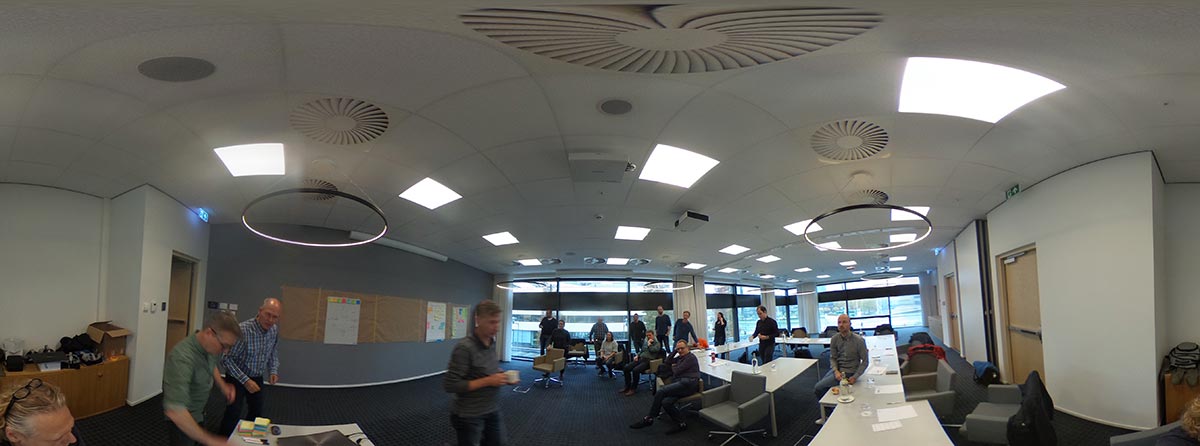
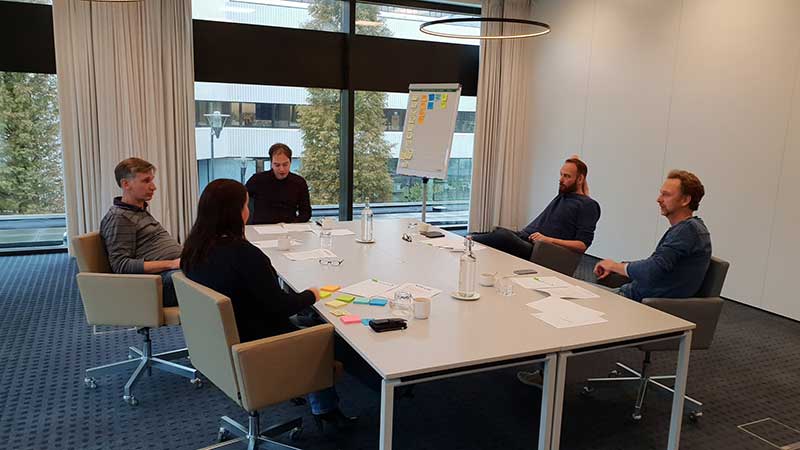
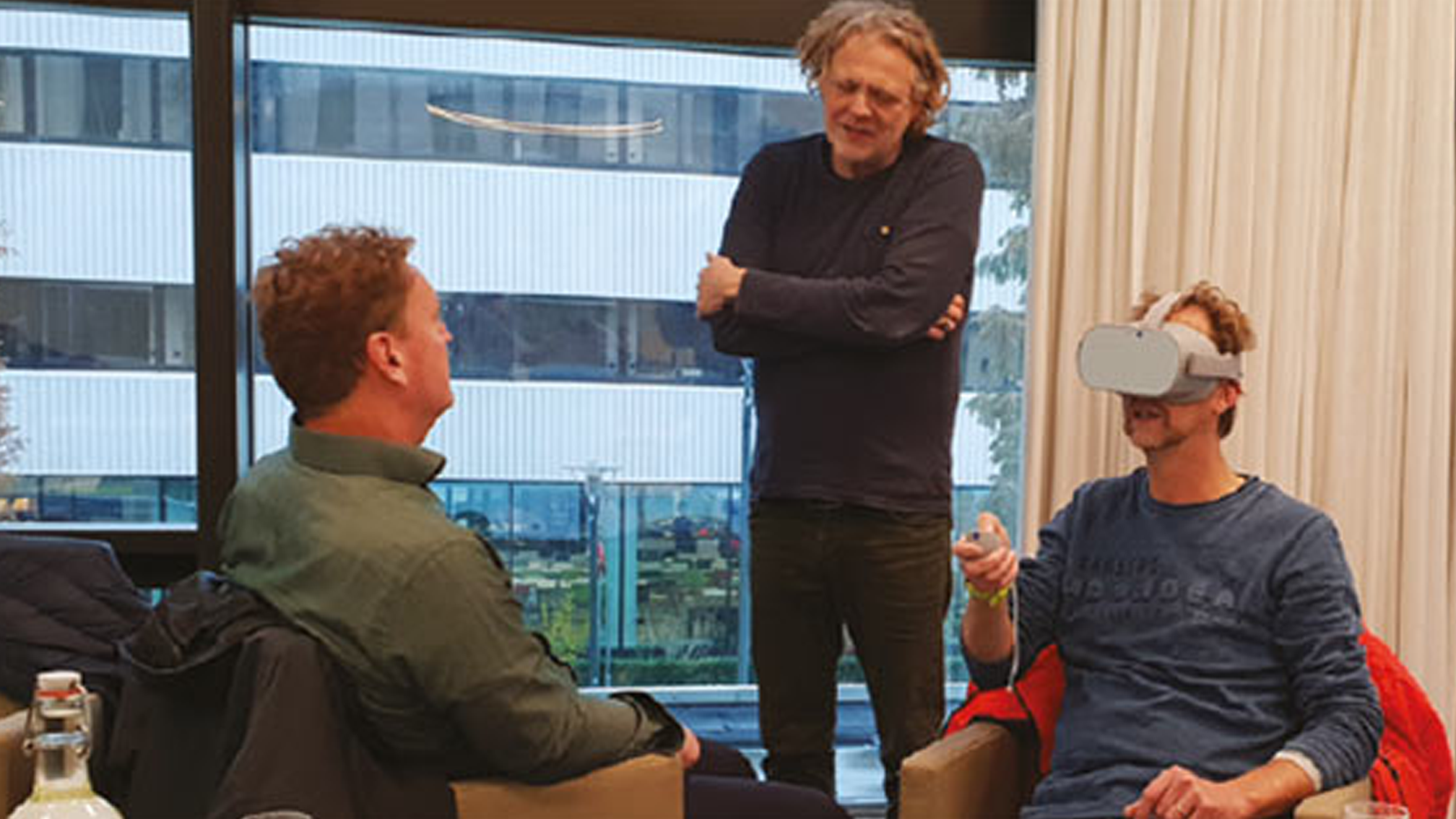
Two compact, hands-on VR brainstorm sessions were organised — one in Amsterdam and one in Brussels. Rather than explaining VR conceptually, participants experienced it directly through short demos and examples.
Teams then worked with a simple, structured canvas: Use case → Goal → Target group → Moment in the journey → What does VR replace or supplement? → KPI → MVP.
Ideas were prioritised using an impact/effort matrix, immediately clarifying where VR could create real value — and where traditional tools would suffice.
Concept directions (selection)
Inside D&CS — onboarding in VR A virtual tour for new colleagues, covering the full chain from document intake and processing to archiving and compliance.
Process simulation: “from document to client file” Step-by-step insight into risks, waiting times and handover moments, supporting process improvement and training.
Privacy & compliance in practical scenarios VR-based practice with recognisable situations such as data minimisation, retention periods and incident reporting, including direct feedback.
Change adoption: new working methods and tooling Short VR walkthroughs replacing lengthy manuals and supporting faster adoption during releases or process changes.
Virtual site tour Accessible 360° tours of scan streets and archive locations for stakeholders unable to visit on-site.
What it delivered
A prioritised shortlist of high-potential VR use cases, each with a concise MVP outline (content, roles, security and privacy checks, hardware).
Clearly defined KPIs per concept, including time-to-understanding, adoption speed, process error reduction and training effectiveness.
Broad support across teams in both the Netherlands and Belgium, with shared terminology and concrete next steps.
Why this works for D&CS
VR proves its value where understanding, experience and practice are essential. Complex processes become intuitive, change becomes tangible and desired behaviour can be trained — without lengthy presentations or classroom sessions.
The VR session was very well received by the participants. Both the culture session and the use of VR for onboarding new employees by taking a look at our chain were enthusiastically received.
Ed Spitteler
Expertise Lead Outbound Customer Communication ING